(tongue-in-cheek because single-parenting three teen boys is usually the feeling of drowning and just being thankful that the day is over!)
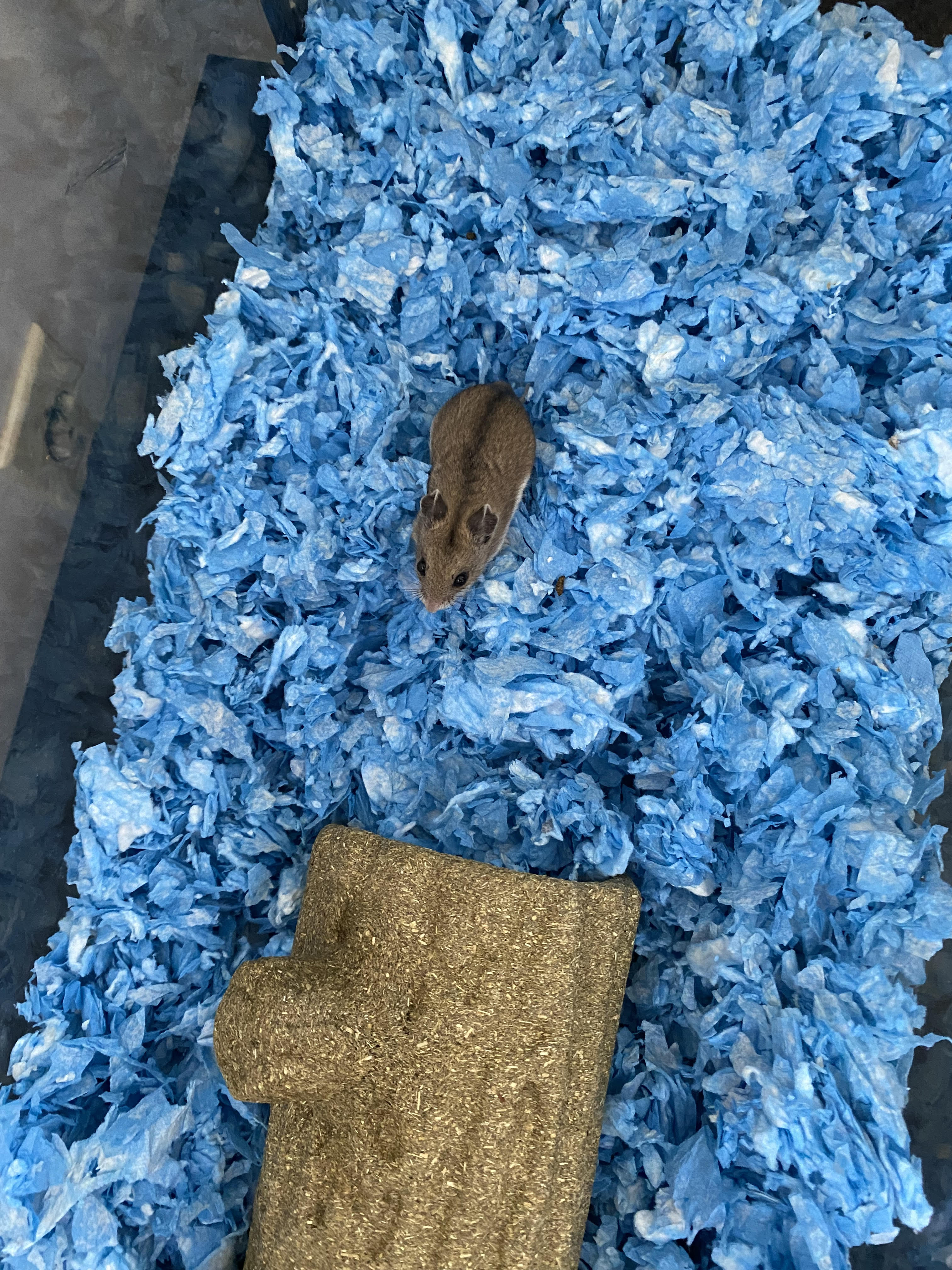
When your 14-year-old son leads on a weekend morning with, “Mom, are you busy today?”, the correct answer is never to list out all the cleaning and projects you had lined up for the day in your brain. The correct answer is, of course, “What do you have in mind?” And, of course, if you do not like what he has in mind, you may proceed with your list of impossible-to-accomplish things. But if his answer is, “Can we get a new hamster….I kind of miss mine after it died” then your answer is, “Let me know when you’re ready to go.”
That is one thing I’ve learned about raising teens. Here’s a few more:
Keep them alive. This feels near impossible many days as their brains are 1000% crazy ideas and 1% “oh that might be dangerous” critical thinking. After a couple midnight joy-rides (and, they are always amazed that I can tell the moment I get in the car that it has been “used”), I now have the car keys in my pocket continuously (as well as the key to the alcohol cabinet and to my bedroom).
Keep them fed. There is clearly “never any food” in the house as apparently, “there’s only ingredients,” but I do make sure to have plenty of quick-to-heat-up or grab-and-go foods to block part of the hangry moods. Sometimes they figure out how to put ingredients of butter, bread and cheese together in a pan, but most of the time they want Mom to do that. Much of the time they want Mom to do that when she’s settled down at her puzzle table listening to an audiobook at 10:00 pm, but they’ve learned it’s a waste of breath. But not to fear, friends, there is always food in our house!
Keep them engaged. This is the sage advice of every person who has had very little difficulty with raising their own teens. But it really only works for teens who actually want to be engaged in sports or music or the arts or reading. But for some teens, “engaged” means connecting with friends on Fortnight gaming. Or for Mr. Ornery, now 14, it was months spent stripping down the parts of a kid electric dirt bike and purchasing a powerful battery and motor and chains and tires and converting it to something capable of 40 mph (see point #1)! I would whine to myself and to him about the cost of this “nonsense” so much until I realized the cost was likely comparable to a sport or music lessons and it was keeping him engaged.
Keep them related. Some days, I barely see the boys. It’s off to school and then to friends or to their rooms. The best way to find some time to talk is driving them somewhere, so I’ll even do the 5-10 minutes to school. But these days, you’re competing with the cell phone in the hand and the earbud in the ear, so we have to work hard at finding ways to keep connected.
Keep them healthy. While physical health sometimes seems effortless (with an occasional cold or COVID sprinkled in), it’s the mental health that’s harder to address. In the wake of a nation-wide rise in teen mental disorders, the resources are not easily available and rarely “accessible” in a way that my teens are willing to connect with. This year has been waves of depression and cycles of rage with furious destruction. I’ve had to be very intentional and very persistent to keep working toward diagnoses and treatment, but it remains a frustrating cyclone.
Keep them safe from trauma. Raising biracial boys in a very white neighborhood is beyond challenging. This year the boys experienced blatant racism in the schools, the community and in their peers. I have worked to understand their feelings, help them begin the process of learning to manage their fight-or-flight system, and have become a voice to call out the racism when it occurs. But it shocks me every time they tell me what people have said to them.
Finally, keep the focus on the goal. A parent’s overall goal is a healthy and developing child moving toward an independent, thriving adult. So when anxiety and depression precludes school attendance for this week or this month, the goal remains that the child feels loved and supported and understood. That grade in biology will have to wait. The school year might have to wait. There is a bigger goal. And sometimes you might have to remind the “systems” of that bigger goal. (And sometimes someone reminds you. Like when I moan to the 12-year-old that I had not anticipated the amount of time it would require of me to teach his older brother to drive, his response was, “Well, you have to do it, Mom. It’s an important life skill for him.” The youngest has his eye on the goal!)
And most importantly, for the parent:
Keep your patience.
Get sleep – which generally means being in bed by 9:30 because the kids’ bus comes at 6:30 am!
Practice self-care – spend time in any activity which causes time to stand still. Walking. Running. Pickleball. Jigsaw puzzles while watching TV. Reading by audiobook while walking or running or puzzling 😊.
Keep your sanity.
Find your tribe – those groups of mothers who hang at the pool with you, friends who go out for brunch or collect “stamps” at the local breweries, or those who visit in the evenings for a quiet dinner or drink. Find those who listen; those who offer suggestions; those who text back when you reach out in panic or anguish or frustration. Hold them close and nurture them as well.
Keep yourself healthy, mentally and physically.
Because your focus is on the goal – independent, thriving adults.
I don’t understand what you don’t understand about mental health, but I do really think you need a little more education and training apparently. You see, a mental health crisis is just like a physical health crisis. Being sick impacts all of life and every single decision we make. When you are informed that one of your students is experiencing a mental health crisis, it sure would be nice if you took that seriously and actually helped the student, rather than adding to their stress and traumatizing the whole family by your actions.
It’s been two months since my son experienced a mental health crisis and while I’ve been busy on several fronts – finding him help, getting evaluations, starting treatment, fighting the school to understand mental health, demanding emergent IEP meetings, finding an advocate, demanding better IEPs – it has taken me awhile to process everything that happened and to share it.
The reason that I do share this personal story is to encourage other parents who may be going through similar situations and to offer support for those facing scary times, heart-wrenching times, frustrating times, and to provide hope. I thank those who offered me hugs and advice and hope over the past two months.
…………………..
Laying beside one’s sweet growing boy in bed at night listening to him ask if kids his age (newly 12) commit suicide is agonizing. “Yes. They do,” I respond. It’s been a few hours since he talked about jumping out of the window to end his life. We’ve driven down to the psychiatric hospital but were not ready to go in. We’ve talked to someone on the crisis line. We talked about his big sadness. We’ve talked about hurting.
And, we’ve talked about the fact that he can get some help and that he will feel better. But right now it feels pretty awful and it feels pretty overwhelming. And it feels pretty surreal, like something that happens to other people but I wasn’t expecting within the walls of my house. And it feels pretty scary because I know it’s up to me to chart the path forward and figure out what to do next.
But after lying there and waiting for sleep to come to him, I got up and paced the house. Then I moved the big bean bag chair under his window and gathered up my pillow and blankets and eventually dozed off. I was a mess. We had driven thirty minutes into the city to the hospital, all the while I had thought he would ask to go home as I explained what might happen, including being admitted and me having to leave him there alone. All the while, I thought he would change his mind, but he didn’t. It was me who decided after the security checkpoint viscerally scared me that we needed to go home. And it was me who lay panicked wondering if I was doing the right thing.
The next morning, I reached out to family members and changed plans for the day so I could keep an eye on Mr. Ornery. I thought through what safety measures I needed to do and finally got the power screwdriver and put screws into the window frames so the windows in his bedroom could only open six inches. And I reached out to the counselor at his middle school so that she could touch base with him first thing in the morning. I let them know of this depression and suicidality and the fact that he wasn’t on any medications for his ADHD disability. I emailed his learning support teacher as well since we’d been communicating about medication changes over the past few weeks. I was assured they would take care of him.
I spent the day Monday in a state of stress and worry and researching and making phone calls. I called his pediatrician, his insurance company, the special program for teens with depression and suicidality (they didn’t think he was “bad” enough to warrant their services). I sent him to school to try to keep his life stable and hopeful, but I worried. Finally, I hit bottom and texted a friend mid-afternoon who I knew had similar experiences and said, “I need a hug.” Thankfully, she has great hugs. I got him an appointment at the pediatrician office on Thursday, but first available for evaluation was two months away. I kept talking with as many people as I could to get recommendations and to get help sooner.
Meanwhile, by Wednesday, Mr. Ornery’s apparently now heightened limbic emotional system decided it would be quite fun to create a boxing match with one of his best friends in the middle school bathroom. His underdeveloped and currently untreated executive functioning skills (ADHD) had no chance of stopping an apparently very appealing idea. The incident had gathered a crowd of boys in the bathroom and one of them recorded it. It wasn’t long before a teacher found them.
So he jumped in the car late after school in a state of panic. He had gotten into trouble at school and he was stressed because he didn’t even know what “suspension” meant. And in a typical “normal” mom fashion, I immediately began yelling at him for making a dumb decision. “What do you mean you got a suspension?” “How could you?” “Why would you do that?!?!?” Suddenly it hit me; in his current stressed state of mind, why would I even have expected him to make any good decisions at all. We sat in the car and cried together.
According to the National Association of School Psychologists, school personnel have a responsibility to responds to suicidal thinking and to never ignore warning signs, which include direct and indirect suicidal threats as well as changes in behavior. In addition, they note “severe disciplinary action” to be one of the “situations” that may increase suicide risk.
I made the school aware of my son’s suicide warning sign. I let them know that he was struggling and in a fragile state. Instead of keeping him safe, they provided a “suicide risk factor” on his third day in their presence and within five days of an active suicide threat. I kept him home for three days so that we could both calm down.
Every single night, I asked my son three questions:
Do you still feel like hurting yourself? Yes.
Do you feel safe at home? Yes.
Do you want me to sleep in your room tonight? Yes.
I slept on the floor in his room for twelve days before he said, “I guess you could sleep in your own bed tonight.” I had made numerous phone calls to try to find treatment for my son. I had consulted with physician colleagues. I had spoken with parents who have had children with mental health crises. I got him an appointment with his pediatrician to go back to his original ADHD medication to help bring some focus to his thinking skills before we could find a child psychiatry appointment. I really did think that the school would be supportive and helpful. I was shocked to find them instead exacerbating the crisis.
I asked for an urgent IEP team meeting to review the situation. I came prepared to show how my son’s brain was sick and unable to make good choices. The principal was unwavering. He was involved in a “fight” (whether or not it was just boys pretending) and would therefore be suspended as soon as he returned to school (thankfully a “quarantine exposure” gave him another week to stay home). He was not, in her mind, acting on “impulse” since it took several hours to complete this goal. She had absolutely nothing to say about his mental health. From the schools’ perspective, he was “fine.” He told his teachers he was fine. He told the counselor he was fine. He seemed to be “fine”….as if a 12-year-old boy would share big, scary feelings with teachers.
And as I still wrestled with how adamant this principal was that he should be punished, I was floored by her words: “It’s better for you to hear from the school that he is being suspended for fighting, than to be called by the police when he is caught shoplifting.” There it was. He had been tagged as a trouble-maker, a problem child, a bad kid …. on the path to criminality and “thankfully” the school is just trying to nip that in the bud for me. What is it about him? Is it his slightly brown skin of being a multi-racial child? Is it his ADHD struggles? Is it his energy and creativity and playfulness? What is it about my good-natured, soft-hearted and loving son that has screamed out – this kid is destined for trouble? What is it that makes a principal completely discount an emotional and mental health crisis and focus only on “bad behavior,” despite the clear relation between the two?
Me….trying to help my boy while drowning myself….
A week after our school district held a community event to sing the praises of how much they help children struggling with mental health, they punished a kid’s disability in the midst of a mental health crisis. When I was stressed and floundering and scared and most in need of help, my son’s school hurt him more.
Now that we’ve had evaluations and started treatment and my beautiful boy is feeling better, I am driven to change this system that refuses to acknowledge the role of disability on behavior and completely ignores the impact of a mental health crisis. I will work to change a system that will not consider how the stress of a world-altering pandemic, ugly politics, and visible racism happening concurrently has affected the children in their care. A system that pretends we can all just keep going, expecting children to show up for school and do their academics as if the world around them didn’t just crash on its axis. There is a better way.
Recently Dr. Abby Schlesinger (Children’s Hospital child psychiatrist) was interviewed about the marked increase in the number of children and teens needing mental health care which has overwhelmed the capacity of the system to provide that care. One of her colleagues, Dr. Justin Schreiber, also provided an update to the pediatric community in May 2021 about the impact of COVID on the mental health of children. He noted that children are expressing overwhelmingly more depression and anxiety symptoms based on activation of their fight-or-flight system of stress. While the mental health services are struggling to meet the demand, Dr. Schreiber encouraged the pediatric community and the school communities to acknowledge the toll of stress from the pandemic on children and to support children’s mental health. I sat and listened to his webinar, taking notes, and immediately emailed him to say, “What can I do to help the schools understand this?”
I had been so focused on the older son’s clear expression of stress through numerous physical issues (stomach pain, diarrhea, headache, etc) that would make him stay home for 1-2 days every 2-3 weeks, that I didn’t realize how difficult the year was for the middle one.
Life is stressful in any given year. But on top of all our normal stresses, we all have been coping with a new and foreign stress. Where I thought my boys seemed resilient and coping well, I learned that’s not always the case. It seems to me that we need to offer to those around us (and particularly our children) just a little more grace and a little more understanding, a good serving of true empathy and some actual concrete help for those who are struggling.
Know that there is help and that healing is possible. That’s what I cling to.


 middleofthemadness